The Future of OSHA Training: How AI, VR, and Digital Learning Are Transforming Workplace Safety
March 25, 2025
AI-Enhanced Fall Protection Training: How Technology is Reducing Workplace Injuries
June 10, 2025Certified First Responder Training: How It Prepares You for Real-Life Emergencies

Emergencies strike without warning, often requiring immediate, skilled intervention to save lives and minimize harm. Certified First Responder (CFR) Training equips individuals with vital knowledge and hands-on skills to confidently act in such critical moments. Impact Safety offers industry-leading CFR training combined with OSHA Compliance Training, ensuring participants are fully prepared to meet workplace safety standards and respond effectively in emergencies.
What is Certified First Responder Training?
Certified First Responder Training is a specialized program designed to prepare individuals to respond first to medical emergencies or accidents. Unlike basic first aid courses, CFR training provides a more comprehensive understanding of emergency care protocols, including advanced life-saving techniques such as CPR, bleeding control, and airway management. This certification confirms that a responder is qualified to provide immediate care while awaiting the arrival of advanced medical personnel.
Key Skills Developed in CFR Training
Participants in CFR training develop critical skills that can mean the difference between life and death, including:
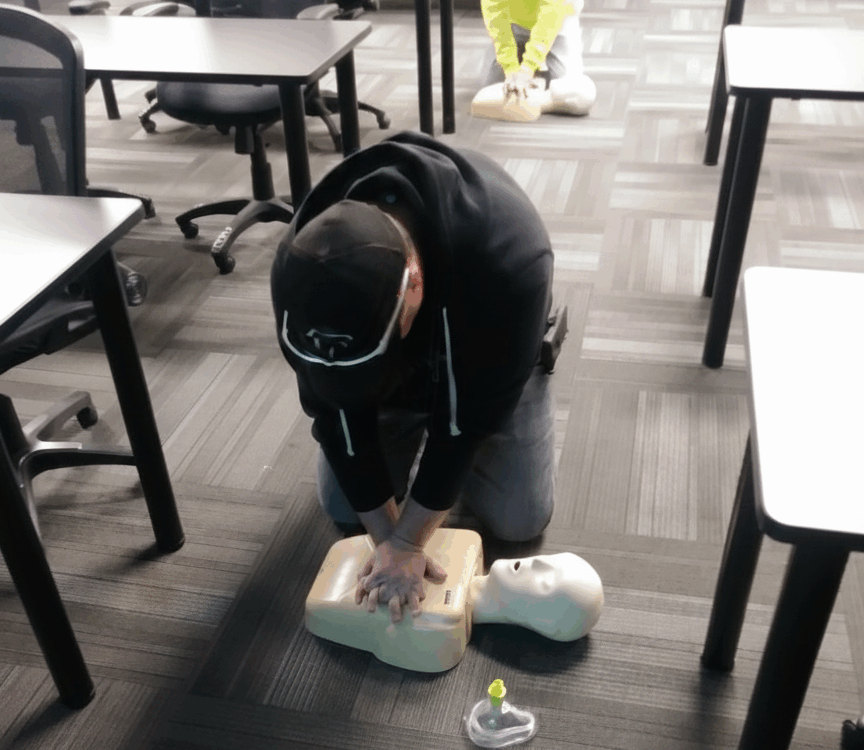
- Cardiopulmonary Resuscitation (CPR): Performing chest compressions and rescue breaths to maintain circulation and breathing.
- Hemorrhage Control: Techniques to control severe bleeding using tourniquets and pressure dressings.
- Airway Management: Ensuring an open airway for effective breathing support.
- Scene Safety Assessment: Identifying hazards to protect themselves and others.
- Basic Trauma Care: Managing fractures, burns, and shock.
These skills are taught through practical, scenario-based exercises that enhance real-world readiness and preparedness.
Real-Life Applications of CFR Training
Certified First Responders are essential in various environments — workplaces, schools, public events, and communities. In the crucial minutes following an incident, CFRs provide life-saving interventions such as stabilizing injuries, performing CPR, or managing choking hazards. Their ability to act swiftly reduces complications and improves outcomes, often bridging the gap until emergency medical services arrive.
Psychological Preparedness and Confidence Building
Beyond technical skills, CFR training fosters psychological resilience and confidence. Trainees learn to remain calm under pressure, make quick decisions, and communicate effectively during crises. This mental preparedness is vital for overcoming the stress and unpredictability of emergency situations, enabling responders to perform their duties without hesitation or panic.
Benefits Beyond Emergency Situations
The advantages of CFR training extend beyond emergency response. Certified responders develop leadership, teamwork, and problem-solving skills that are valuable in both everyday life and professional settings. Workplaces benefit from enhanced safety cultures and compliance with OSHA regulations, while individuals gain personal empowerment and a sense of responsibility toward their community.
How to Become a Certified First Responder
Becoming a certified first responder typically involves completing a recognized CFR training program that meets state or industry standards. Impact Safety offers comprehensive courses combining CFR certification with OSHA Compliance Training to ensure both emergency response skills and workplace safety knowledge. Upon successful completion, participants receive certification that is valid for a specified period, with options for refresher courses to maintain their skills and ensure compliance.
Conclusion
Certified First Responder Training is a critical investment in personal and workplace safety. By developing essential medical skills, psychological resilience, and regulatory knowledge, CFR training prepares individuals to save lives and handle emergencies with confidence. Impact Safety’s expert-led programs provide tailored, practical training that meets OSHA compliance and equips responders for real-world challenges. Visit Impact Safety to explore how you can become a certified first responder and strengthen your emergency preparedness today.