Scaffold Erection Training vs. General Scaffold Safety: What’s the Difference and Why It Matters
December 3, 2025
What’s New in OSHA Safety Training? A Look at 2026 Regulations
March 9, 2026Top 10 Myths About First Aid, CPR, and AED – Busted!
When an emergency happens, every second counts. Unfortunately, many people hesitate to act because of misinformation surrounding first aid, CPR, and AED use. These myths can cost precious moments and, even worse, lives. To help set the record straight, we’re breaking down the top 10 myths people still believe and explaining the truth behind proper emergency response. Whether you’re a worker, supervisor, or safety manager, busting these myths will boost your confidence and prepare you to respond when it matters most.
Myth #1: Only Medical Professionals Can Perform CPR
Busted: Anyone can perform CPR. In fact, immediate CPR from a bystander is often the difference between life and death. Training teaches you the correct technique, but you don’t need to be a doctor or nurse to save a life.
Myth #2: You Might Get Sued for Giving First Aid or CPR
Busted: Good Samaritan laws in the United States protect people who provide reasonable assistance during emergencies. As long as you act in good faith and within your level of training, you are legally protected.
Myth #3: You Can Restart Someone’s Heart with CPR
Busted: CPR does not restart a heart. It keeps oxygenated blood flowing to vital organs until an AED or medical professional can deliver a lifesaving shock or advanced care. CPR is a bridge, not a cure.
Myth #4: AEDs Are Complicated and Dangerous to Use
Busted: Modern AEDs are designed for easy use by anyone. Once turned on, they give clear, step-by-step voice instructions. They analyze the heart rhythm automatically and will only advise a shock when appropriate.
Myth #5: You Should Always Tilt the Head Back for Unconscious Victims
Busted: The head-tilt, chin-lift method is helpful only when opening the airway for someone without suspected spinal injuries. If there is any chance of head, neck, or spinal trauma, do not tilt; use the jaw-thrust method instead.
Myth #6: Mouth-to-Mouth Is Always Required for CPR
Busted: Hands-only CPR is recommended for most adult cardiac emergencies, especially for untrained bystanders. Chest compressions alone can be highly effective in keeping blood circulating.
Myth #7: Checking for a Pulse Is Necessary Before CPR
Busted: Checking for a pulse is time-consuming and unreliable for untrained individuals. If a person is unresponsive and not breathing normally, begin CPR immediately.
Myth #8: AEDs Can Shock a Beating Heart by Mistake
Busted: AEDs are built with fail-safe technology. They will not deliver a shock unless the device detects a shockable rhythm. You cannot accidentally harm someone by applying an AED.
Myth #9: You Don’t Need Training—You Can Learn CPR Online or from TV
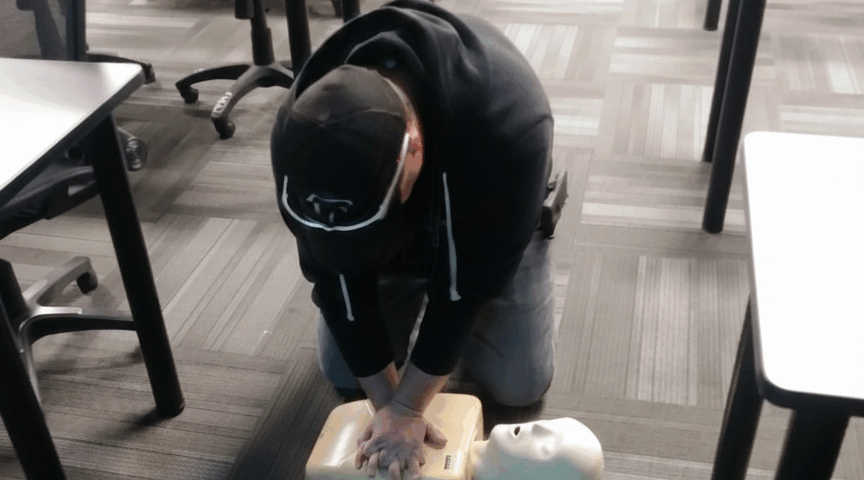
Busted: Watching TV or videos isn’t enough. Proper CPR requires hands-on practice, correct compression depth, the use of an AED, and scenario-based learning. OSHA safety certification ensures you’re truly prepared, not guessing.
Myth #10: Once Certified, You’re Set for Life
Busted: CPR, AED, and first aid certifications typically expire every two years. Skills fade quickly, and guidelines are constantly evolving. Regular refresher training keeps your response sharp and compliant with OSHA standards.
Conclusion
Emergencies don’t wait for experts. With proper training in first aid, CPR, and AED, anyone—from employees to supervisors—can make a lifesaving difference. Don’t let myths or misinformation prevent you from acting when it matters most. The right knowledge, practiced skills, and confidence can dramatically increase survival rates and reduce the severity of workplace injuries.
That’s where Impact Safety comes in.
Impact Safety provides hands-on, OSHA-compliant First Aid, CPR, and AED training designed for real-world emergency situations. Our certified instructors focus on practical skills, muscle memory, and scenario-based learning—ensuring your team doesn’t just “know” what to do, but can perform with confidence under pressure.
When you choose Impact Safety, you get:
- Nationally recognized certification valid for two years
- Engaging, expert-led training that goes beyond online tutorials
- Customized sessions tailored to your workplace hazards
- Up-to-date techniques aligned with the latest AHA and OSHA guidelines
- Training options available at your facility or at our training center
Whether you manage a construction team, a manufacturing workforce, a healthcare environment, or an office facility, Impact Safety ensures that your employees are empowered to respond quickly and effectively in any emergency.