The Future of Excavation: Predictions and Preparations for Competent Persons
May 3, 2024
Online vs. In-Person HAZWOPER Certification: Finding the Best Fit for You
August 12, 2024The Significance of Occupational Health and Safety Training in Today’s Workplace
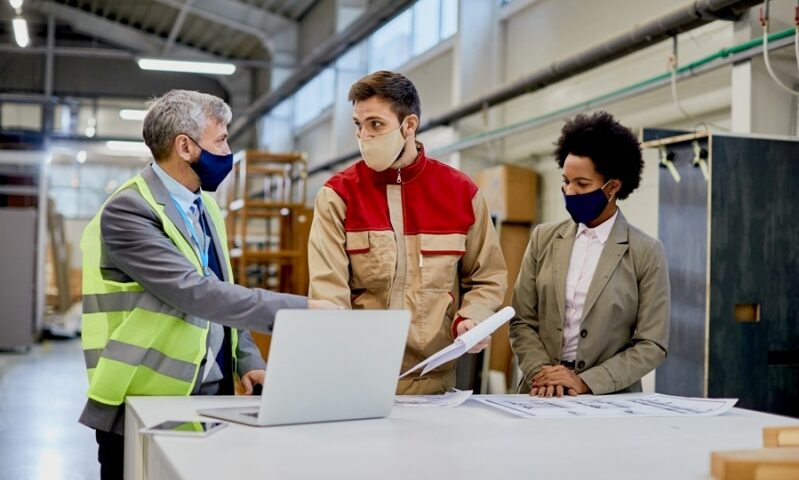
Occupational Health and Safety (OHS) focuses on protecting the well-being, safety, and social welfare of employees across all types of jobs. It’s about creating a safe and healthy work environment. It’s not only a legal obligation, it is a fundamental human responsibility. Every year, approximately 2.3 million workers worldwide face fatal accidents or injuries due to work-related hazards, according to the International Labour Organization (ILO). This alarming statistic highlights why both public and private organizations are increasingly committed to improving workplace safety, whether in developed or developing countries.
The rapid changes brought about by new technologies and evolving environmental conditions, coupled with the persistence of unsafe and hazardous work settings, emphasize the need for a robust culture of safety. A secure, healthy workplace isn’t just a necessity—it’s a shared goal among employees, managers, and business owners alike.
Why is Occupational Health and Safety Important?
In any work environment, numerous factors can pose health risks to employees, ranging from minor to severe. These risks should never be overlooked, no matter how trivial they may seem. Occupational health and safety training is essential in preventing workplace injuries and diseases, offering expertise across various fields, such as environmental health, wellness programs, disability management, and regulatory compliance.
Implementing OHS standards brings numerous benefits to organizations, including:
- Reducing Workplace Incidents: Using frameworks like ISO 45001, organizations can identify potential safety hazards before they result in accidents. By proactively addressing these risks, companies can prevent incidents and enhance safety.
- Lowering Absenteeism and Staff Turnover: Effective management of health and safety hazards leads to a safer workplace, which reduces absenteeism and turnover, protecting both employees and the organization’s productivity.
- Boosting Productivity: A safe work environment reduces the likelihood of injuries, keeping workers on the job and minimizing disruptions due to accidents or the need to replace injured staff.
- Decreasing Insurance Costs: Organizations that implement ISO 45001 and demonstrate a commitment to managing workplace safety can attract lower insurance premiums, saving costs in the long run.
- Fostering a Positive Safety Culture: Encouraging employees to take an active role in their own safety management builds a culture of safety and awareness, which benefits everyone.
- Enhancing Leadership Commitment: ISO standards ensure that top management remains accountable for workplace safety, leading to continuous improvement and a safer working environment.
- Improving Reputation: Adopting the latest OHS standards positions a company as a leader in safety, enhancing its reputation and distinguishing it from competitors.
- Increasing Employee Morale: When employees know that their safety and well-being are a priority, it boosts morale, reducing attrition and increasing retention.
How to Implement Occupational Health and Safety Procedures in the Workplace
Every workplace is unique, and so are the risks associated with each one. Therefore, an effective OHS policy must be tailored to address the specific hazards present in each organization. It’s crucial for organizations to conduct detailed risk assessments and involve trained occupational health and safety training professionals in drafting these policies to ensure all potential concerns are comprehensively addressed.
To maintain a safe work environment, regular reviews and updates of the OHS policies are necessary. These updates should incorporate feedback from employees, who are the best sources for identifying potential flaws or areas for improvement. Keeping the system current reassures employees that their safety is in good hands and that the organization is committed to their well-being.
The Future of Occupational Health and Safety
Occupational health and safety (OHS) is constantly evolving, and we’re seeing a trend toward stricter regulations designed to protect workers more effectively. As we look to the future, there’s a growing emphasis on enhancing safety measures to ensure the well-being of employees across all industries.
The Impact of Emerging Technologies
Technology is set to transform how we approach OHS practices. With the rise of artificial intelligence (AI) and wearable devices, companies now have the tools to monitor employee health in real-time. This technological advancement allows organizations to act proactively, catching potential safety issues before they turn into accidents. For example, wearables can alert both workers and supervisors to potential hazards, while AI can analyze patterns in workplace incidents to predict and prevent future risks.
Adopting a Holistic Approach to OHS
Moving forward, a holistic approach to occupational health and safety will become increasingly important. This means focusing not only on physical safety but also on the mental and emotional well-being of employees. Organizations are beginning to understand that promoting mental health awareness and offering stress management programs can create a safer, more supportive work environment. After all, a healthy workplace isn’t just about preventing physical injuries—it’s also about ensuring that employees feel mentally and emotionally supported.
Why It Matters
Understanding the core principles of occupational health and safety, including its history, the risks involved, and the crucial role played by OHS professionals, is key to maintaining a safe workplace. By staying alert to potential hazards, continuously advocating for improved safety measures, and embracing new technologies and approaches, organizations can create a work environment that truly prioritizes the safety and well-being of all employees.
Conclusion
No matter the size of your organization, there are countless benefits to implementing robust OHS standards like ISO 45001. Understanding the importance of occupational health and safety helps organizations better appreciate their employees’ needs, resulting in safer workplaces, improved employee morale, and greater productivity. The health and safety of employees significantly impact their motivation, job satisfaction, and overall well-being, all of which are crucial for organizational success.
Occupational health and safety practices have evolved significantly over time, but their core mission remains the same: to protect employees and promote well-being. Prioritizing OSHA safety training not only boosts productivity, it demonstrates a commitment to ethical and responsible business practices, benefiting everyone involved.
Impact Safety
Impact Safety is a leading provider of comprehensive safety solutions for businesses across all industries, helping them reduce risk, protect assets, and maintain a safe, compliant work environment. Founded in 2001 in Augusta, Georgia, Impact Safety offers hands-on training, consulting, and confined space standby services, delivered by a team of experienced professionals with over 35 years of expertise in transforming workplaces into safer environments. Our approach focuses on practical, real-world applications that enhance ongoing safety programs, improve operational efficiency, and reduce costs. Whether you need a full-time safety specialist, confined space support, mock audits, or annual training, Impact Safety provides tailored safety plans to meet your needs and budget. Contact us today for a free initial consultation to make safety a top priority in your organization.