AI-Enhanced Fall Protection Training: How Technology is Reducing Workplace Injuries
June 10, 2025
Confined Space – A Focus on Rescue Webinar
August 19, 2025Fire Extinguisher Safety Training: What You Need to Know
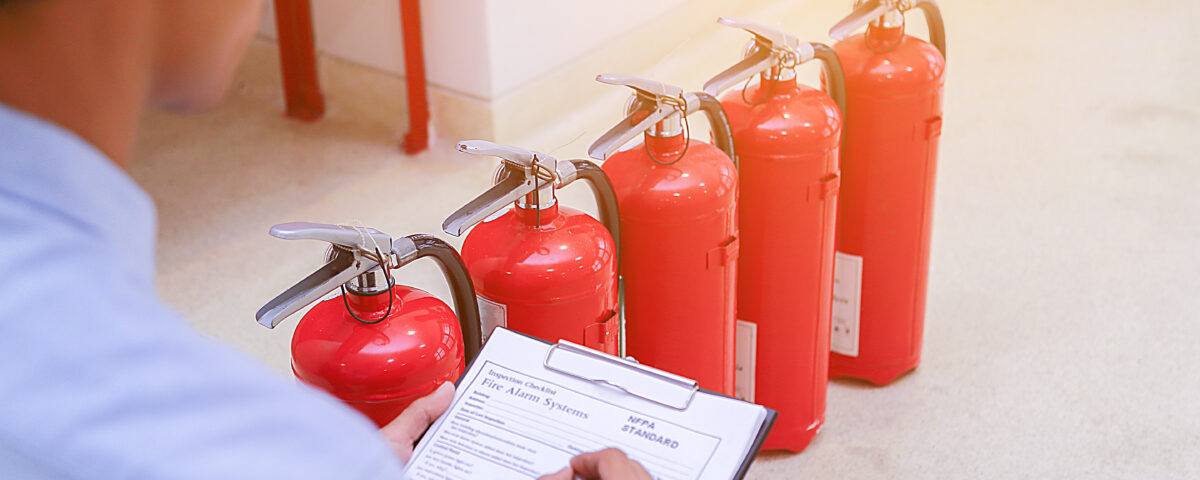
Fire extinguisher safety is a critical component of workplace preparedness and safety management. Every year, countless businesses face the risk of fire-related accidents, and having well-trained employees equipped with the knowledge of how to use fire extinguishers can make the difference between a minor incident and a catastrophic event. Fire extinguisher safety training is a vital aspect of an organization’s fire prevention strategy. It ensures that employees are not only aware of the types of fire extinguishers present but also understand how to use them effectively in emergencies.
OSHA Fire Extinguisher Requirements
The Occupational Safety and Health Administration (OSHA) has established comprehensive regulations to ensure the safe use and maintenance of fire extinguishers in workplaces across the United States. These guidelines cover everything from the type of extinguishers required to the frequency of maintenance.
- Fire Extinguisher Placement: OSHA mandates that fire extinguishers should be placed in accessible locations, typically within 75 feet of any employee in most workplaces. Additionally, extinguishers should be mounted on walls at a height that is easily accessible, typically between 3 and 5 feet from the ground.
- Types of Fire Extinguishers: Fire extinguishers must be selected based on the type of fire risk present in the workplace. OSHA categorizes fires into five classes: Class A (ordinary combustibles), Class B (flammable liquids), Class C (electrical), Class D (metals that ignite spontaneously), and Class K (cooking oils). The right fire extinguisher must match the specific fire hazard present.
- Maintenance and Inspection: OSHA requires that fire extinguishers undergo regular inspections. Monthly checks should ensure that extinguishers are in place, charged, and ready for use. Annually, a professional inspection must be conducted to ensure that the extinguisher is functioning correctly and has not expired.
How Often is Fire Extinguisher Training Required?
Fire extinguisher training is an essential part of workplace safety, and its frequency depends on industry requirements and regulations. In various sectors, including manufacturing, construction, and healthcare, fire extinguisher safety training is required. This training ensures that employees stay up-to-date on best practices and the proper use of fire extinguishers in the event of an emergency.
- OSHA Guidelines: OSHA recommends fire extinguisher training for all employees, especially in environments where fire hazards are high. Training should be conducted annually or whenever a new employee is hired.
- Industry-Specific Regulations: Certain industries may have specific requirements for fire extinguisher training. For example, in high-risk industries such as chemical plants or food processing facilities, more frequent and specialized training may be necessary to address unique fire risks.
Key Fire Extinguisher Safety Practices
Effective use of a fire extinguisher can be a lifesaver in an emergency. However, improper handling or a lack of knowledge can lead to dangerous situations. Here are some essential practices to follow:
- The PASS Technique: The most widely taught method for using a fire extinguisher is the PASS technique:
- Pull the pin to break the tamper seal.
- Aim the nozzle at the base of the fire.
- Squeeze the handle to release the extinguishing agent.
- Sweep the nozzle from side to side to cover the area of the fire.
- Know When to Use an Extinguisher: It is essential to assess whether a fire can be safely handled with an extinguisher. If the fire is spreading rapidly or is too large to control, evacuating and alerting the fire department should take precedence.
- Stay Safe: Always back away from the fire as you use the extinguisher to ensure a safe escape route.
- Proper Storage and Maintenance: Always store fire extinguishers in clearly marked locations, and ensure they are regularly inspected and maintained according to OSHA standards.
Common Mistakes to Avoid:
- Using the wrong type of fire extinguisher for the specific fire hazard.
- Turning your back on the fire while trying to extinguish it.
- Not ensuring the fire extinguisher is fully charged or easily accessible when needed.
Benefits of Fire Extinguisher Safety Training
Regular fire extinguisher safety training provides a wide range of benefits for workplaces. Some of the key advantages include:
- Improved Workplace Safety: Employees who are trained in fire extinguisher use are more confident in handling a fire emergency, reducing the risk of injuries or fatalities during a fire.
- Compliance with Regulations: By conducting regular training, companies ensure they meet OSHA’s requirements, avoiding penalties and ensuring legal compliance.
- Enhanced Emergency Preparedness: Employees trained in fire extinguisher safety are better equipped to handle fire emergencies, helping to minimize property damage and business disruptions.
- Boosted Confidence and Morale: Knowing that the company is investing in its safety can boost employee morale and confidence in the workplace.
Conclusion
Fire extinguisher safety training is not just a regulatory requirement but a vital aspect of fostering a safe work environment. By equipping employees with the knowledge and skills necessary to handle fire emergencies, organizations can significantly reduce the risk of injury and property damage.
Impact Safety is dedicated to offering comprehensive fire extinguisher safety training programs that are tailored to meet the specific needs of your business. Our expertise in safety protocols and our commitment to quality training make us an ideal partner for ensuring your workplace remains safe and compliant. Contact us today to learn more about how we can assist you in implementing and maintaining effective fire extinguisher safety training in your organization.
By investing in fire watch training and fire extinguisher safety training, you’re not only protecting your assets but also safeguarding the lives of your employees, ensuring a secure and responsible workplace for all.