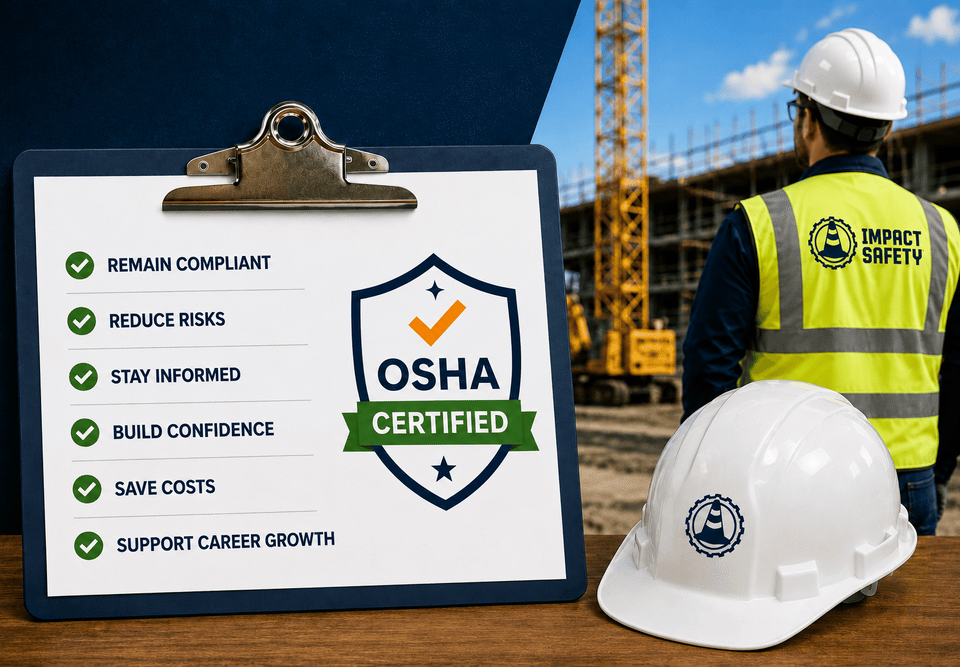
Why Refresher Training is Critical for Safety in the New Year
February 4, 2025
The Future of OSHA Training: How AI, VR, and Digital Learning Are Transforming Workplace Safety
March 25, 2025How to Implement an Effective Fall Protection Awareness Program at Your Workplace

Falls are among the leading causes of workplace injuries and fatalities, underscoring the critical need for comprehensive fall protection awareness training. Implementing an effective program not only safeguards employees but also ensures compliance with Occupational Safety and Health Administration (OSHA) standards. Here’s a step-by-step guide to establishing a robust fall protection awareness program in your workplace.
- Understand OSHA Regulations and Compliance
Begin by familiarizing yourself with OSHA’s fall protection standards, specifically 29 CFR 1926 Subpart M for construction and 29 CFR 1910 Subpart D for general industry. These regulations outline employer responsibilities, necessary protective equipment, and training requirements. Ensuring your policies align with these guidelines is essential to prevent violations and potential penalties.
- Assess Workplace Fall Hazards
Conduct a thorough workplace hazard assessment to identify areas where fall risks exist. Common hazards include:
- Unprotected edges and open-sided floors
- Weak or unstable working surfaces
- Improper use of ladders and scaffolding
- Lack of fall protection equipment
Regular safety audits can help pinpoint these risks and provide solutions to mitigate them.
- Develop a Comprehensive Fall Protection Awareness Training Program
An effective training program should encompass both theoretical and practical components. Training should cover:
- Recognizing fall hazards
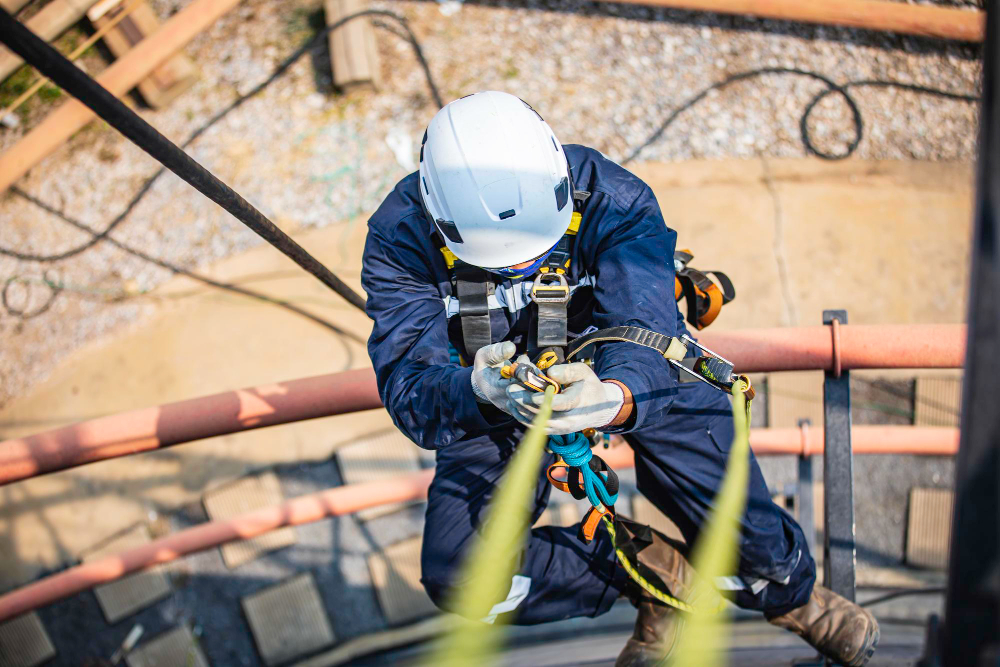
- Proper use of personal protective equipment (PPE) such as harnesses and lanyards
- Safe use of ladders, scaffolds, and aerial lifts
- Emergency procedures in case of falls
Employers should provide hands-on demonstrations and practical exercises to reinforce learning. Organizations like Impact Safety offer a Fall Protection Awareness course, a half-day program aimed at teaching students how to work safely in environments with potential fall hazards. This course educates participants on identifying fall hazards and preparing them to prevent fall-related accidents and injuries. While certification for fall protection awareness doesn’t expire, it’s recommended that students undertake refresher training at least every three years to stay updated with developments in standards and procedures.
- Obtain OSHA Training Certification for Employees
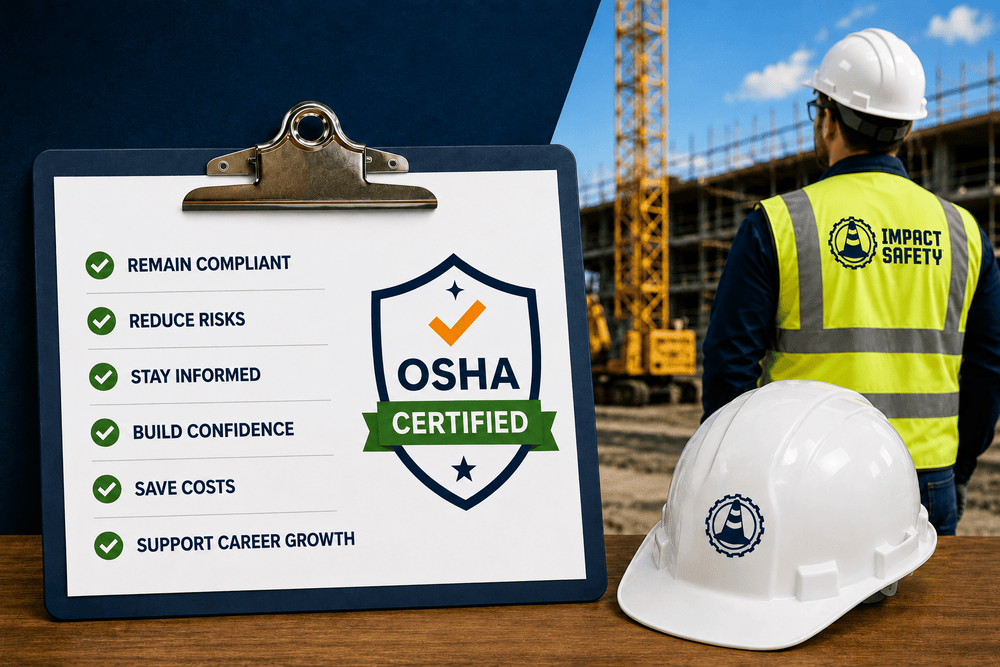
Employees working at heights must receive OSHA training certification to ensure they understand fall prevention best practices. Employers can enroll workers in OSHA 10-Hour or 30-Hour Construction Safety Courses, which cover fall protection extensively. Certification programs help employees recognize hazards and comply with safety regulations. For instance, Impact Safety offers a 10-Hour OSHA Construction course intended to provide workers with awareness of common job-related safety and health hazards.
- Provide and Maintain Fall Protection Equipment
Equipping workers with high-quality fall protection gear is crucial for workplace safety. This includes:
- Full-body harnesses
- Guardrails and safety nets
- Fall arrest and restraint systems
- Non-slip footwear
Routine inspections and maintenance of this equipment ensure it remains effective. Employees should also be trained on the proper usage and storage of safety gear.
- Establish a Safety Culture and Accountability
Encouraging a culture of safety involves:
- Conducting regular toolbox talks and refresher training sessions
- Assigning safety supervisors to enforce compliance
- Implementing a reporting system for employees to flag hazards without fear of retaliation
Recognizing and rewarding employees who adhere to safety practices can further reinforce compliance.
- Conduct Regular Audits and Continuous Improvement
Safety programs should be regularly evaluated and updated to address new risks and OSHA regulation changes. Employers should:
- Review accident reports to identify trends
- Adjust training programs based on feedback
- Invest in new technologies, such as sensor-based fall protection systems
By continuously improving the fall protection awareness program, businesses can create a safer work environment and reduce accident rates.
Final Thoughts
Implementing an effective fall protection awareness training program requires commitment from both employers and employees. By following OSHA guidelines, conducting hazard assessments, providing proper equipment, and ensuring OSHA training certification for workers, businesses can significantly reduce workplace falls and improve overall safety. Prioritizing fall protection is not just about compliance but saving lives.
For comprehensive safety training solutions, partner with us at Impact Safety. We offer a range of courses and services tailored to various industries.
By taking these proactive steps, employers can cultivate a safety culture and ensure the well-being of their workforce.